Gift Box Quality Control: Common Defects and Practical Inspection Methods
Learn how to inspect gift boxes for structural, printing, finishing, assembly, and cleanliness defects, helping brands reduce complaints and deliver better packaging quality.
Gift packaging is often the product’s first impression. This is especially true for premium beauty products, luxury gifts, seasonal gift sets, and custom branded packaging.
The structure of the box, printing accuracy, and quality of the finishing can directly influence how customers judge the value of a product.
Many complaints and rejected orders in export and branded packaging projects are not caused by the product itself. Instead, they come from problems such as broken corners, color variation, loose adhesive, printing errors, or missing components.
These issues can lead to additional costs, delayed shipments, and damage to the brand’s reputation.
Gift box production involves multiple processes, including printing, die-cutting, lamination, foil stamping, embossing, gluing, and assembly. Each stage can create potential defects.
A professional inspection before shipment helps identify problems while the products are still at the factory and reduces the risk of costly after-sales issues.
Five Common Types of Gift Box Defects
Based on common packaging quality issues, most gift box defects can be grouped into five categories: structure, printing, finishing, assembly, and overall cleanliness.
1. Structural and Material Defects
Structural problems affect the basic function of the packaging and may result in serious customer complaints or even rejection of the full shipment.
- Warping and deformation: The box may twist, bend, rise, or sink, making it unstable or preventing the lid from closing properly.
- Incorrect dimensions: Length, width, or height may exceed the approved tolerance. The product may not fit inside, or the internal space may be too loose.
- Scoring problems: Poor scoring may cause cracked corners, broken paper fibers, difficult folding, uneven folds, or visible dents on the surface.
- Cutting defects: Edges may have paper fibers, dust, or rough cuts. In some cases, areas that should be cut through remain attached, while areas that should remain intact are cut accidentally.
- Material and corner problems: Corners may not be square, gaps may appear, or excessive glue may be visible. Other problems may include exposed board texture, delamination, bubbles, stains, mold marks, or insufficient paper weight.
2. Printing and Artwork Defects
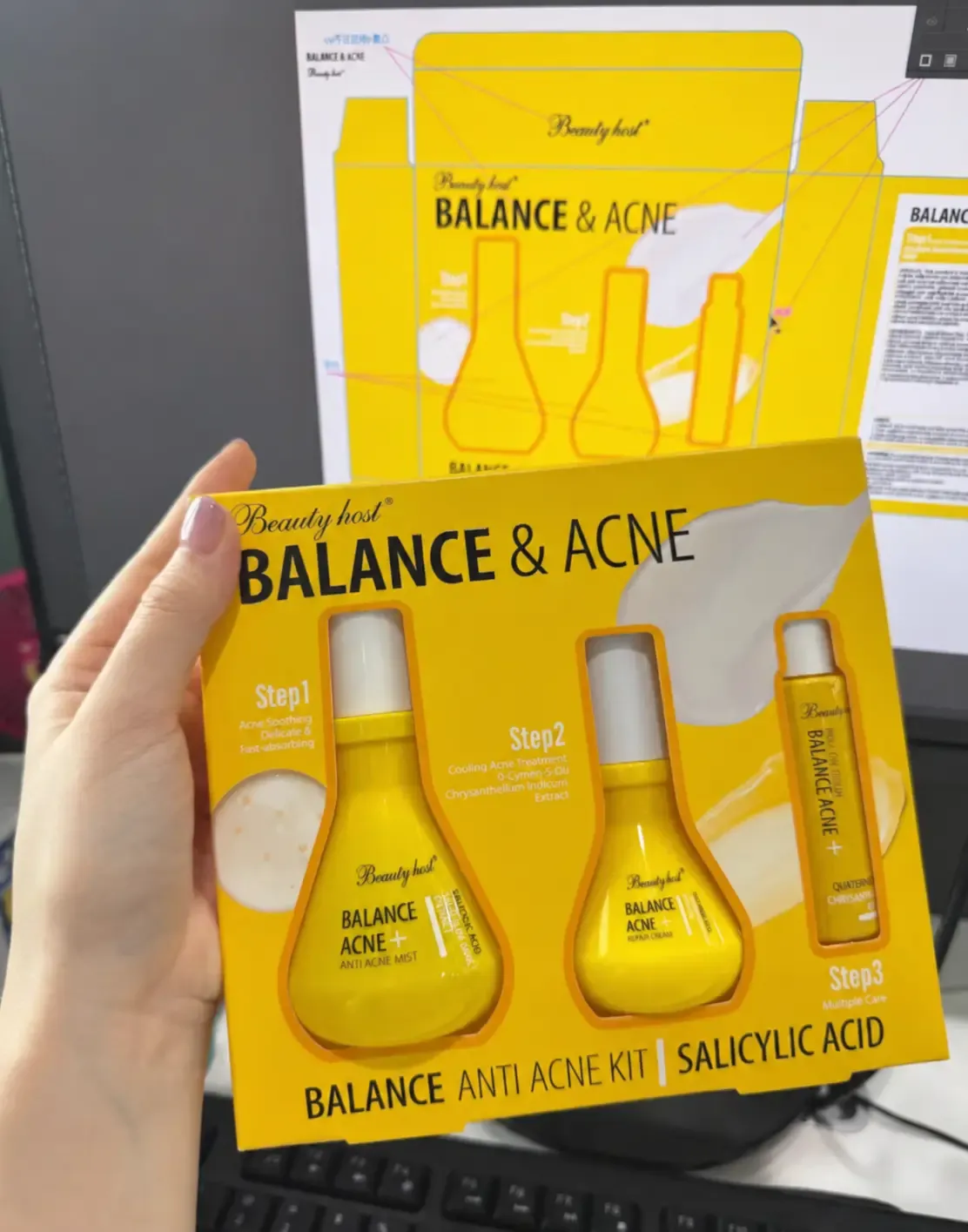
Printing is the visual face of the package. Color differences and artwork errors are among the problems that brand owners are least willing to accept.
- Color variation: The overall color may differ from the approved sample, or large color areas may show uneven tones, streaks, or clouding.
- Registration errors: Multiple colors may not align correctly, creating shadows, blurred edges, or double images.
- Printing flaws: Missing text, dirty plates, ink spots, smudges, scratches, or ink cracking around the folds can reduce the appearance of the packaging.
- Artwork and information errors: Misspelled words, missing content, distorted graphics, or unclear barcodes and QR codes may create serious commercial or compliance risks.
- Die-cutting misalignment: The artwork may not match the die-cutting position, causing graphics to be cut off or placed away from the intended center.
3. Surface Finishing and Decoration Defects
Lamination, foil stamping, UV coating, embossing, and debossing are often used on premium gift boxes. If these processes are not properly controlled, the quality of the entire package can be affected.
- Lamination problems: Bubbles, wrinkles, silvering, lifting edges, insufficient gloss, or incorrect matte effects may appear.
- Foil stamping defects: Foil may peel off easily, look blurry, appear uneven, miss certain areas, or fail to align with the artwork.
- UV and coating defects: The surface may show bubbles, orange-peel texture, uneven coating, excessive buildup, cracking, or peeling.
- Embossing and debossing problems: The effect may be too shallow, unclear, misplaced, or strong enough to damage the paper.
4. Assembly and Component Defects
Loose adhesive and missing accessories are common problems that may appear simple but can create major quality concerns.
- Gluing problems: The box may open at the glued area, show excessive glue, or become deformed because the parts were not aligned correctly.
- Accessory problems: Ribbons, magnets, clasps, decorative parts, or other components may be missing, damaged, incorrectly positioned, or made from the wrong material.
- Insert problems: The insert may not fit the box cavity, may be wrinkled, unstable, or easy to move and detach.
5. Cleanliness and Overall Appearance
Small details can strongly influence the unboxing experience and the perceived quality of a gift box.
- Oil marks, water stains, fingerprints, glue marks, or other dirt on the surface;
- Paper scraps, hair, metal particles, or other foreign matter inside the box;
- Strong ink or adhesive odor that does not meet the agreed requirements;
- An overall rough or inexpensive appearance that does not match the product positioning.
Professional Inspection Should Follow Clear Standards
Appearance inspection can be subjective. A professional inspection process therefore needs clear standards and consistent conditions to reduce differences between inspectors.
- Use consistent lighting: Check colors under a suitable standard light source, such as D65 lighting, to reduce the influence of surrounding light.
- Keep the viewing distance consistent: A normal inspection distance is around 30–40 cm. Check the box from the front, side, and different angles.
- Inspect all six sides: Check the front, back, left side, right side, top, bottom, and interior. Inserts and accessories should also be checked individually.
- Verify function: Test opening and closing, magnetic strength, fitting, stability, and basic load-bearing performance.
- Classify defects: Defects should be divided into critical, major, and minor categories based on their effect on safety, function, appearance, and customer requirements.
Six Practical Tests for Factory Inspection
Factory inspections need to be efficient, repeatable, and as non-destructive as possible. The following tests can help identify many common risks quickly.
1. Basic Dimension and Fit Test
Use a caliper or suitable measuring tool to check the key dimensions of the box. Test how the box body and lid fit together, making sure the package is not too tight or too loose.
This is one of the most direct ways to identify problems such as products not fitting inside or lids failing to close properly.
2. Finishing Adhesion Test
A suitable adhesive tape test can be used on selected foil, UV, or laminated areas when agreed by the customer and manufacturer.
Apply the tape evenly, press it firmly, and remove it at a consistent angle. Check whether the foil, coating, or film has lifted or peeled.
This test can help identify weak adhesion before the packaging reaches the customer.
3. Opening and Closing Durability Test
For rigid lids, magnetic boxes, folding boxes, and book-style boxes, open and close the package repeatedly.
Check whether the magnets remain stable, whether the glued areas open, and whether the structure becomes deformed after repeated use.
4. Basic Drop and Transport Simulation
For selected samples, a simple drop test can be used to simulate handling during transportation.
After the packaged box is dropped from the agreed height and direction, check the corners, glued areas, surface, inserts, and internal accessories.
The test method should be agreed according to the product, packaging structure, shipping conditions, and customer requirements.
5. Sharp Edge Inspection
Use a piece of nylon fabric or a similar safe material to check the edges and cut areas of the box.
If the material catches or snags, the box may have rough or sharp edges that could affect user safety or scratch the product inside.
6. Environmental Condition Check
When the product will face extreme temperatures, humidity, or long-distance transportation, selected samples may be checked under suitable environmental conditions.
After testing, inspect the lamination, adhesive, printing, and structure for bubbles, peeling, color changes, or deformation.
The test conditions should be based on the actual shipping route and storage environment rather than applied without a clear purpose.
HKY PACKAGE’s Approach to Packaging Quality Control
Gift box production includes many connected processes. A problem in printing, die-cutting, finishing, gluing, or assembly can affect the final result.
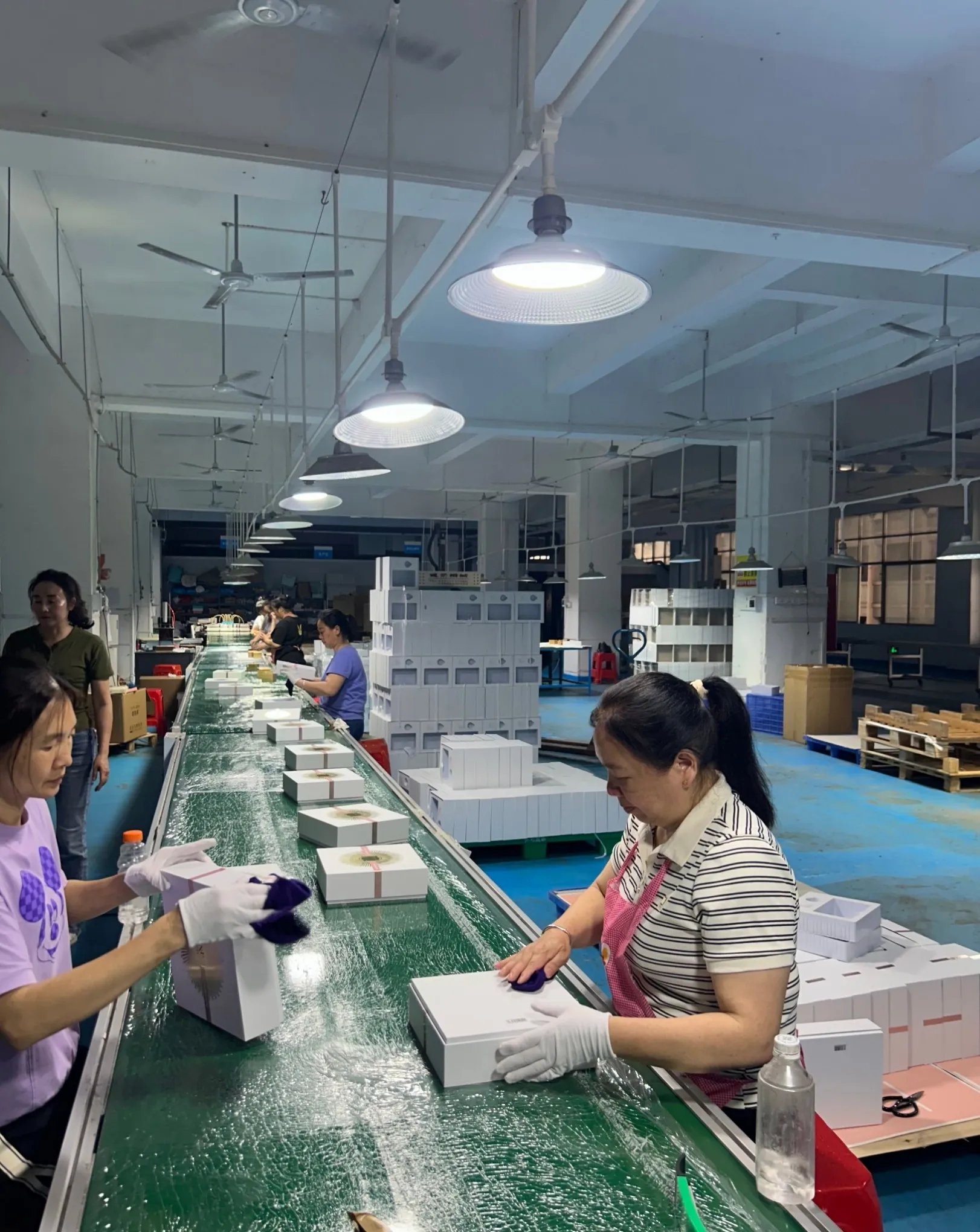
At HKY PACKAGE, quality control is integrated into the production process rather than being limited to the final inspection.
- Artwork and structure review: Check dimensions, folding lines, materials, artwork, and production requirements before manufacturing.
- First-piece confirmation: Review the first printed and assembled pieces before continuing with larger-scale production.
- Process inspection: Monitor printing, die-cutting, lamination, foil stamping, gluing, and assembly during production.
- Finished-product inspection: Check appearance, dimensions, structure, accessories, inserts, cleanliness, and basic function before shipment.
- Documented communication: Record approved samples, materials, color references, finishing requirements, and inspection results to reduce misunderstandings between projects.
With more than 20 years of packaging experience, HKY PACKAGE supports brands from structural design and material selection to sampling, production, quality control, and delivery.
The goal is not to make every package unnecessarily complicated. It is to create packaging that is attractive, functional, stable in production, and suitable for real transportation and customer use.
Final Thoughts
A gift box carries more than a product. It also carries the customer’s expectations of quality, care, and brand value.
Professional inspection helps identify problems before shipment, while a well-organized production process reduces the chance of those problems occurring in the first place.
From paper selection and printing to finishing, assembly, and final inspection, every stage deserves attention.
Better packaging begins with better control of the details.